Essential Seasonal Cleanup Services for Auburn Properties
Seasonal cleanup represents one of the most critical maintenance tasks for maintaining healthy, attractive outdoor spaces throughout Auburn’s changing seasons. At 603 Yard & Tree Service LLC, we understand that each transition between seasons brings unique challenges and opportunities for property enhancement. Spring cleanup involves removing winter debris, dead leaves, and fallen branches while preparing gardens and lawns for vigorous growth. This process includes dethatching lawns to remove the layer of dead grass that accumulates over winter, which can suffocate new growth if left untreated. We also edge garden beds, prune winter-damaged shrubs, and apply pre-emergent treatments to prevent weed establishment before the growing season begins.
Fall cleanup proves equally important, as preparing landscapes for winter dormancy determines how well plants survive harsh conditions and how quickly they recover in spring. Our comprehensive approach includes removing fallen leaves that can mat down and kill grass, cutting back perennials to appropriate heights, and protecting sensitive plants with proper mulching techniques. We carefully time these activities to coincide with natural plant cycles, ensuring maximum benefit while minimizing stress on vegetation. Property owners throughout Auburn, Londonderry, Bedford, Derry, Manchester, Candia, Hooksett, Raymond, Chester, Sandown, East Derry, Hampstead, and Suncook, NH rely on our expertise to navigate these seasonal transitions effectively.
Spring Cleanup Techniques and Timing
Spring cleanup in New Hampshire typically begins in late March through early May, depending on weather patterns and snow melt timing. We start by assessing winter damage, identifying broken branches, frost heaving in garden beds, and areas where snow mold has affected turf grass. Our systematic approach begins with removing accumulated debris, including leaves trapped in shrubs, branches scattered by winter storms, and any remaining protective coverings from the previous fall. This initial clearing allows us to evaluate the full scope of necessary restoration work and identify opportunities for landscape improvements.
The dethatching process requires specialized equipment and expertise to remove dead organic matter without damaging healthy grass roots. We utilize professional-grade power rakes calibrated to the specific grass types common in Auburn, New Hampshire and the surrounding areas, ensuring optimal results without excessive disruption to soil structure. Following dethatching, we perform core aeration to relieve soil compaction caused by snow weight and freeze-thaw cycles. This combination of services promotes robust root development and improved nutrient uptake throughout the growing season. Our tree service company serving Auburn, NH, and the surround areas integrates these lawn care practices with comprehensive tree and shrub maintenance for complete property restoration.
Fall Preparation and Winter Protection Strategies
Successful fall cleanup extends beyond simple leaf removal, encompassing strategic preparation that protects landscape investments through winter months. We begin fall services when deciduous trees reach approximately seventy percent leaf drop, allowing efficient collection while preventing excessive accumulation that can damage turf. Our commercial-grade equipment efficiently handles properties of all sizes, from residential yards to expansive commercial landscaping projects. The mulching process involves shredding collected leaves into nutrient-rich organic matter that can be incorporated into garden beds or composted for future use.
Proper pruning during fall cleanup requires understanding species-specific requirements and growth patterns. We avoid pruning spring-blooming shrubs that have already set buds, focusing instead on removing dead, damaged, or diseased wood that could harbor pests or pathogens through winter. Perennial cutback heights vary by species, with some requiring complete removal of above-ground growth while others benefit from leaving seed heads for winter interest and wildlife food sources. Our expertise in landscape design principles ensures that fall cleanup enhances rather than diminishes winter landscape aesthetics.
Specialized Equipment and Professional Methods
Professional seasonal cleanup demands specialized equipment that goes beyond standard homeowner tools. We employ commercial backpack blowers with significantly higher CFM ratings than consumer models, enabling efficient debris movement even in wet conditions. Our zero-turn mowers equipped with mulching decks process leaves directly on lawns when appropriate, returning nutrients to soil while eliminating disposal requirements. For properties with extensive tree coverage, we utilize truck-mounted vacuum systems that can handle massive volumes of leaves and debris without multiple trips to disposal facilities.
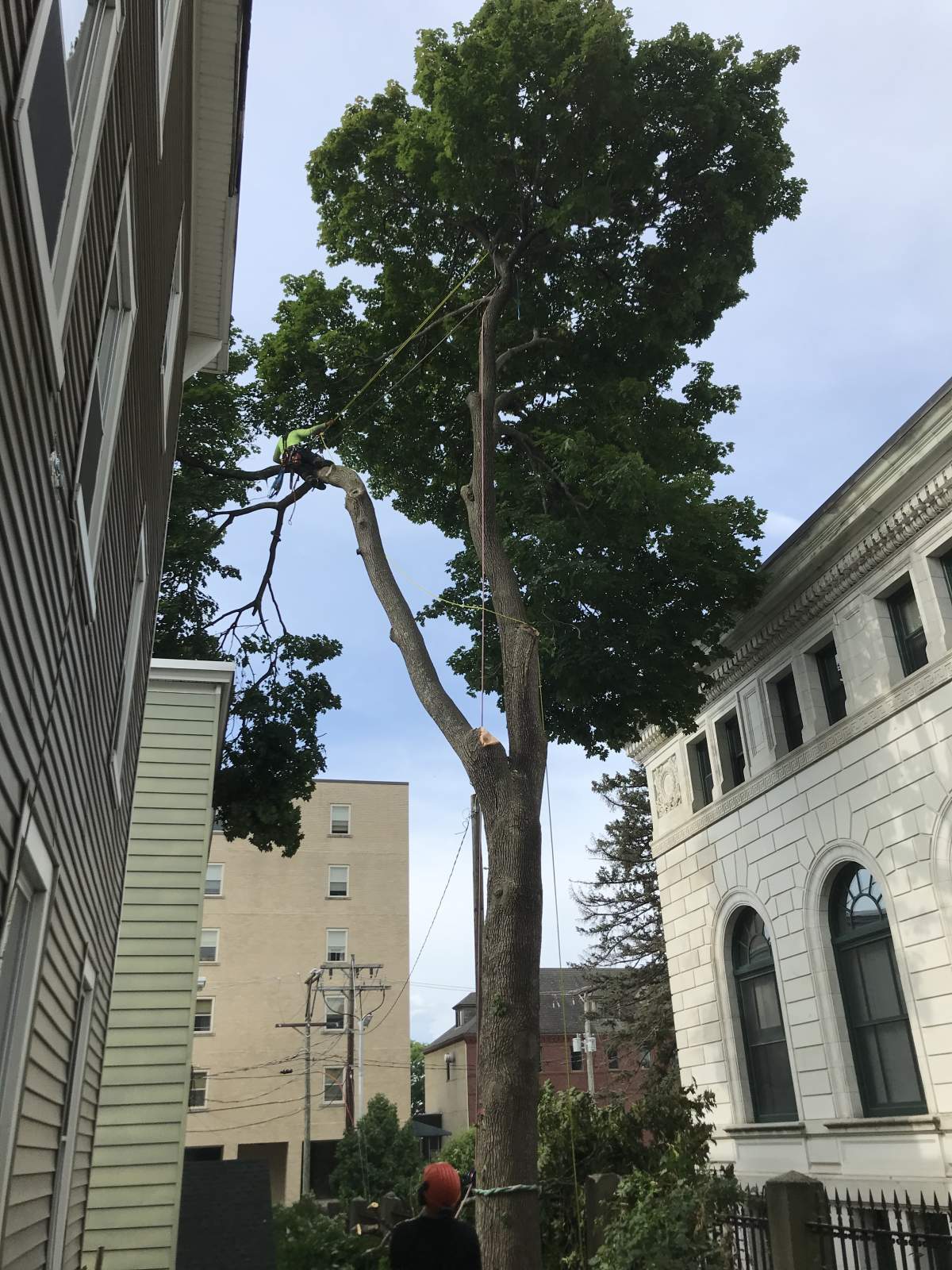
Safety considerations drive our equipment selection and operational procedures, particularly when dealing with tree trimming aspects of seasonal cleanup. Our crews receive ongoing training in proper equipment operation, hazard identification, and emergency response protocols. We maintain comprehensive insurance coverage and follow OSHA guidelines for all operations, providing peace of mind for property owners. The investment in professional-grade equipment and training enables us to complete projects efficiently while maintaining superior quality standards that distinguish professional services from amateur attempts.
Environmental Benefits and Sustainable Practices
- Composting organic debris transforms waste into valuable soil amendments that improve garden bed health and reduce fertilizer requirements
- Selective pruning practices preserve beneficial insect habitat while maintaining landscape aesthetics and plant health
- Integrated pest management strategies minimize chemical interventions through proper sanitation and cultural practices
- Native plant preservation during cleanup activities supports local ecosystem functions and reduces maintenance requirements
- Strategic mulch application conserves soil moisture, moderates temperature fluctuations, and suppresses weed growth naturally
Our commitment to environmental stewardship influences every aspect of seasonal cleanup services. We coordinate with local composting facilities to ensure organic waste becomes beneficial products rather than landfill burden. When servicing commercial lawn care accounts, we implement strategies that reduce overall maintenance requirements through improved soil health and appropriate plant selection. These sustainable practices benefit both immediate landscape appearance and long-term environmental health throughout communities we serve.
Customized Service Plans for Diverse Property Needs
Every property presents unique seasonal cleanup challenges based on factors including tree coverage, garden complexity, and usage patterns. Residential properties often require detailed attention to ornamental gardens and outdoor living spaces, while commercial properties prioritize efficiency and consistent appearance standards. We develop customized service plans that address specific requirements while optimizing resource allocation and scheduling. Our experience with properties ranging from compact residential lots to expansive commercial campuses enables accurate assessment and appropriate service recommendations.
The scheduling flexibility we offer accommodates varying client preferences and property requirements throughout Auburn and surrounding communities. Some clients prefer comprehensive single-visit cleanups, while others benefit from staged services that spread work across several weeks. We coordinate seasonal cleanup services with other maintenance activities including tree services and landscape design implementations, creating integrated property management solutions. This holistic approach maximizes efficiency while ensuring all landscape elements receive appropriate attention during critical seasonal transitions. Our established presence as 603 Yard & Tree Service LLC throughout these communities provides the local knowledge necessary for optimal timing and technique selection based on microclimates and specific neighborhood characteristics.